
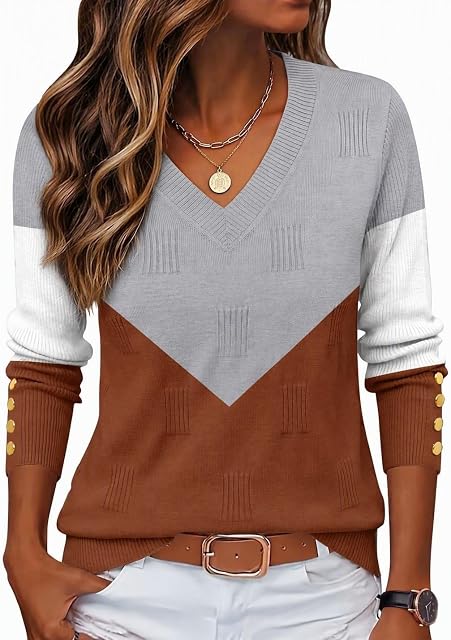
EVALESS Women's Striped Short Sleeve Knit Sweater Top | Crew Neck Sweaters,Cap Sleeve Pullover,R
$14.99
View on Amazon →
Published 17 September 2026 · updated 2026-09-17 · by FashionBookings
Three thick jumpers worn together will often leave you colder than one slim layering system — and considerably wider. The reason is simple: warmth comes from trapped air managed correctly, not from raw fabric volume.
The instinct is understandable: grab everything warm and put it on. But thick, unstructured layers create the same problem they are trying to solve. Air pockets trapped between garments that do not fit together act as an insulating dead zone while simultaneously pushing each outer layer away from your body. A heavy knit worn under a coat compresses at the shoulders and upper arms, flattening any loft and significantly reducing warmth. The coat looks strained, the sleeves bunch, and you arrive somewhere sweating indoors while still cold the moment you step back outside.
The solution used by outdoor athletes, ski instructors, and anyone who spends serious time in cold weather is a three-layer system. Each garment does one job well. Each is slim enough to sit comfortably under the next. The result is warmer than a pile of jumpers at a fraction of the volume.
The framework breaks down like this:
Layer 1 — Base layer: sits directly against your skin. Its sole job is to pull moisture away from your body so you stay dry. A dry body retains heat; a damp body loses it rapidly.
Layer 2 — Mid layer: sits over the base layer and traps warm air close to your body. This is your primary insulation. It needs to be close enough to retain heat without being compressed flat.
Layer 3 — Outer layer: sits over everything and blocks wind and rain. With good layers beneath it, this piece does not need to be thick at all — its job is purely protection.
It sounds backwards, but choose your coat or jacket first, then build your mid and base layers to fit comfortably underneath it. Buying in the other direction almost always results in a shell that pulls across the back or restricts your arms, compressing your mid layer and defeating the whole system.
Cotton is the main mistake here. It absorbs sweat and holds it against your skin, chilling you quickly the moment you stop generating heat. For anything beyond sitting still indoors, avoid it as a base layer entirely.
Merino wool is the gold standard. It is naturally odour-resistant, regulates temperature in both directions, and is soft enough for sensitive skin. Look for a weight around 150–200 gsm for layering purposes — lighter weights sit flatter under your mid layer. Heavier weights (200–250 gsm) suit standalone wear or very cold days.
Synthetic fabrics — typically polyester or a polyester-nylon blend — wick moisture faster than merino and dry more quickly, making them better for higher-activity days: cycling, a brisk commute, or shopping with heavy bags. They are generally more affordable too.
Fit matters as much as fabric. The base layer should lie flat against your skin with no bunching at the waist or underarms. Pay attention to seam placement: bulky shoulder seams create visible ridges through a fitted mid layer, and thick underarm seams cause irritation on longer days out.
This is where most cold-weather outfits go wrong — and where the biggest gains are available.
Grid fleece and micro-fleece in a fitted cut are the mid-layer workhorse. A 200–300 gsm grid fleece adds significant warmth at minimal bulk. Full-zip styles are particularly practical for UK winters, where you constantly move between cold streets and warm shops. A full zip lets you ventilate in seconds rather than sweating through your base layer and chilling down again outside.
Lightweight down and synthetic insulation pieces are the other strong option. High fill-power down (600 or above) compresses very small, meaning a slim down gilet or insulated jacket worn as a mid layer can sit remarkably flat under a shell. The critical word is slim: wide baffling adds visual width at the chest and hips and does not compress cleanly under a fitted outer.
What to avoid as a mid layer:
A chunky roll-neck mid layer worn under an outer with its own high collar is one of the most common cold-weather style mistakes. The stacked fabric at the neck pushes the coat outward and makes the shoulders look significantly wider. If your mid layer has a high collar, pair it with an outer that has a low, flat, or open neckline — or switch to a crew-neck mid layer instead.
With two well-chosen layers beneath it, your outer layer can be thinner than you might expect.
Softshell jackets handle most UK autumn and winter conditions well. They resist wind, manage light to moderate rain, and have enough stretch to sit easily over a mid layer without looking strained. They take tailoring better than padded alternatives, giving a more structured silhouette on the street.
Hard shells — waterproof jackets with a DWR coating or bonded membrane and taped seams — are for heavier rain. An unlined shell adds genuine waterproofing without any bulk. Caught in a typical November downpour, a hard shell over a fleece mid layer will keep you drier than a thick padded coat with no real water resistance.
Filled outer layers — down or synthetic-insulated coats — combine insulation and protection in one piece. If you choose this route, simplify your mid layer: a lightweight merino base is often enough underneath, and you avoid the doubling-up of insulation that creates a rigid, puffy silhouette.
Fit checks worth doing before buying any outer layer:
| Layer | Best Materials | What to Look For | Avoid |
|---|---|---|---|
| Base | Merino wool | 150–200 gsm, flat seams | 100% cotton |
| Base | Polyester / nylon blend | Lightweight, moisture-wicking | Thick brushed jersey |
| Mid | Grid fleece | 200–300 gsm, fitted cut | Heavy Aran knit as mid-layer |
| Mid | Down (fill power 600+) | Slim baffles, packable | Wide-baffle gilet under fitted shell |
| Outer | Softshell | 3-layer bonded construction | Uncoated woven fabric in rain |
| Outer | Waterproof hard shell | Taped seams, DWR coating | Heavy padded shell if mid layer already insulates |
Fill power is the standard measure for down quality. The higher the number, the more warmth you get per gram — and the more the piece compresses when packed away. For a mid layer, packability matters as much as raw warmth; for an outer, weather resistance takes priority.
Each layer should be slightly roomier than the one beneath it — but only slightly. Buying a full size up at each stage adds volume rather than functional room; the goal is a smooth, graduated stack.
Base: close to the skin, with no loose fabric at the torso or underarms.
Mid: fitted but not restrictive; you should be able to pinch roughly a centimetre of fabric at the side seam.
Outer: fitted through the shoulders and upper chest; the back panel should have enough ease to let you reach forward without the hem riding up.
If you are between sizes in an outer layer, size up. A shell that is too tight compresses your mid layer and makes the whole system feel constricting rather than warm and comfortable.
Below the waist matters too. A well-insulated top half paired with thick, unstructured trousers creates a visual imbalance and practical discomfort. Thermal leggings or fleece-lined slim-fit trousers add warmth with almost no visible bulk. Fine thermal tights worn under a midi skirt or wide-leg trousers provide entirely invisible warmth — nobody knows they are there.
The technical system does the work; thoughtful styling decides whether the result looks intentional.
Keep tonal at visible transitions: if your base layer shows at the neckline or cuffs, it reads better in a neutral or closely matching tone to your mid layer. A clashing base-layer flash at the collar tends to look like an oversight.
Match hem lengths deliberately: if your mid layer is longer than your outer layer, you will have a visible layered hem that reads as accidental. Either tuck the mid layer in, belt it, or ensure the outer reaches at least as far down.
Use texture contrast rather than thickness contrast: a smooth softshell worn over a fine-knit merino reads as a considered combination. Two heavily textured, thick pieces together simply look like a lot.
Accessories carry more warmth than they appear to: a lightweight merino or silk scarf looped — not wrapped — at the neck adds meaningful warmth without the collar-bulk problem. Well-fitted thermal gloves and a close-fitting hat carry a significant share of your cold-weather protection without adding any visible bulk to your torso.
UK winters vary considerably. A single fixed formula gets it wrong more often than not.
Office commute (cold outside, warm inside all day): light merino base plus a slim down gilet under a waterproof outer. Leave the fleece at home; the gilet packs into your bag the moment you arrive at your desk.
All-day outdoors (market, long walk, outdoor event): full three layers — wicking base, grid fleece mid, hardshell outer. Add thermal trousers. Bring a spare merino layer if the day will run into the evening.
Evening out in winter: a thermal base layer under a fitted dress or blouse; a slim wool blazer as your mid layer; a structured coat over the top. The base layer is invisible. You arrive looking put-together rather than bundled up.
Mild UK autumn, roughly 8–12°C: two layers is frequently enough — a medium-weight merino top and a softshell jacket. Resist the urge to add more. Overdressing creates the sweating-then-chilling cycle that puts people off layering altogether and sends them back to a single thick jumper.


Merino wool is the most versatile choice for everyday UK winters. It regulates temperature in both directions, resists odour between washes, and is soft against skin. A weight of 150–200 gsm layers well under a mid layer without creating bulk. Polyester and nylon blends wick faster and dry more quickly, making them the better pick for active commutes or sport — though they need washing more frequently to manage odour.
A fitted, fine-knit merino or wool jumper works well as a mid layer, particularly under a structured coat for smart occasions. Heavy cable-knit and Aran styles are less suitable as a dedicated mid layer: their texture creates significant bulk at the shoulders and upper arms under a coat, and the woven structure does not compress well. Save them for days when the jumper is the outermost piece you are wearing.
The practical fix is ventilation built into the system itself. A full-zip fleece or gilet as your mid layer means you can open it the moment you step inside without removing your coat. Choosing a down gilet rather than a full down jacket as the mid layer also helps — gilets leave your arms uncovered, so heat escapes more quickly from your arms when you need it to. Fabrics that wick moisture away from the skin also recover faster when you cool down.
For base layers worn close to the skin and used regularly, yes — particularly if you are wearing them in situations where washing every day is inconvenient. Merino's natural odour resistance means a base layer stays fresh for several wears, which matters on longer trips or commuter days. For mid layers, the case is less clear: a well-constructed grid fleece at a lower price point performs comparably for everyday insulation and is easier to care for, so budget is reasonably spent on a quality base layer first.
As an Amazon Associate we earn from qualifying purchases. Prices and availability are accurate as of the date shown and are subject to change — the price on Amazon at checkout is the one that applies.
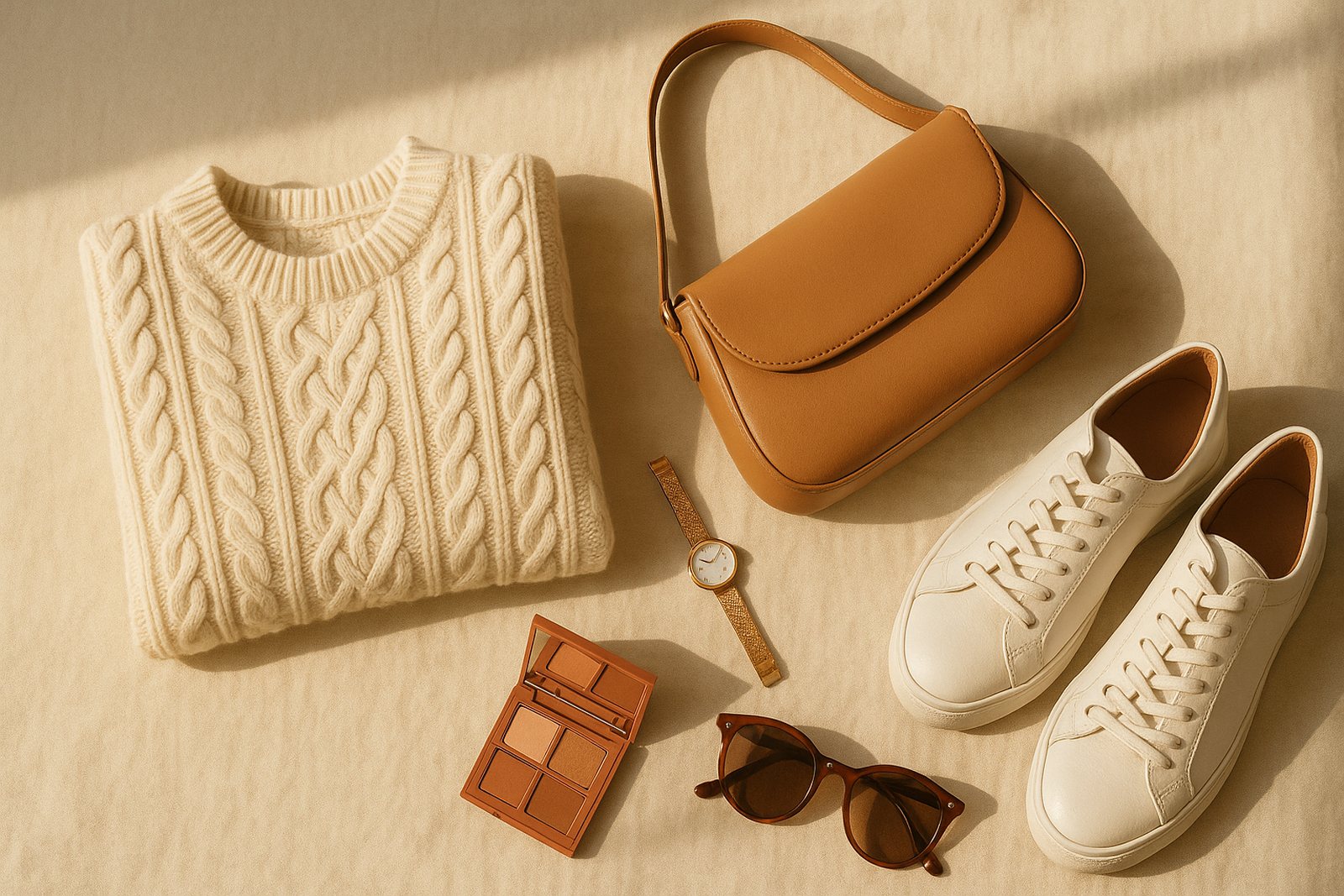
Learn how to accessorise a plain outfit: the one-metal rule, two leather tones maximum, and the three accessories worth buying fir
Women's US fashion worth buying this month: knit tops and sweaters from £9.99–£31.69, rated 4.1–4.6 stars, plus how to spot fake d
Find the best women's activewear leggings sets for under $40 — what to check for fabric quality, support, fit, and value before yo